The Straight Answer: Tennessee Weather Was Made for Heat Pumps
A heat pump is an air conditioner that can run backward. In summer it moves heat out of your house, exactly like a standard AC. In winter a reversing valve flips the cycle and it moves heat from the outdoor air into your house. Because it moves heat instead of making it from scratch, it heats far more efficiently than electric resistance strips alone. Here is the direct answer to the question we hear most: yes, it works in a Wilson County winter, where January lows hover around 27 degrees. That is well within a modern heat pump's comfort zone.
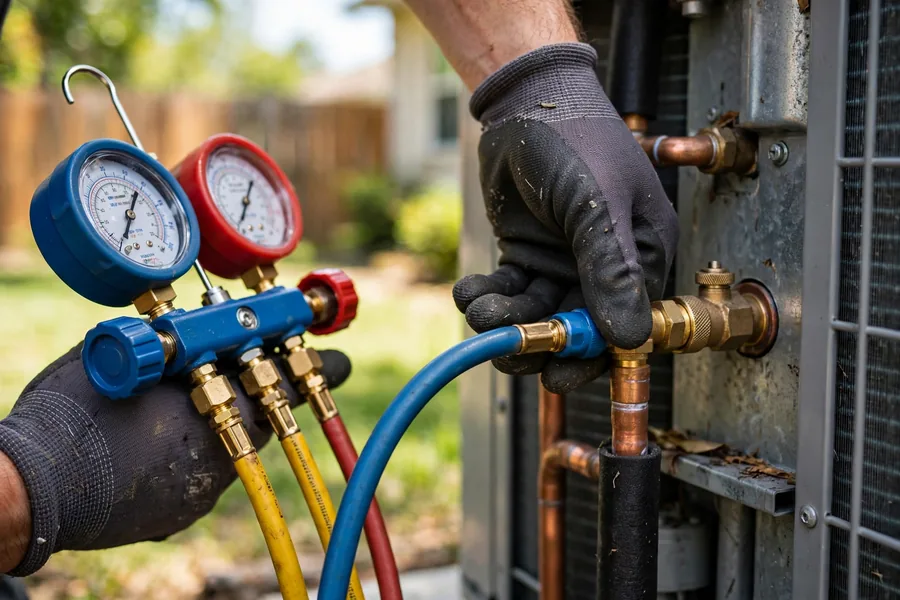
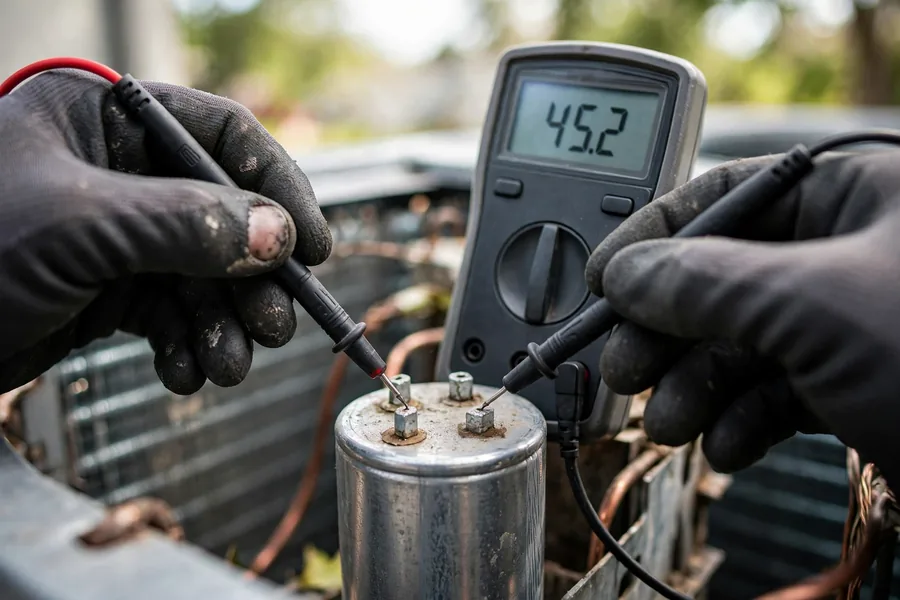
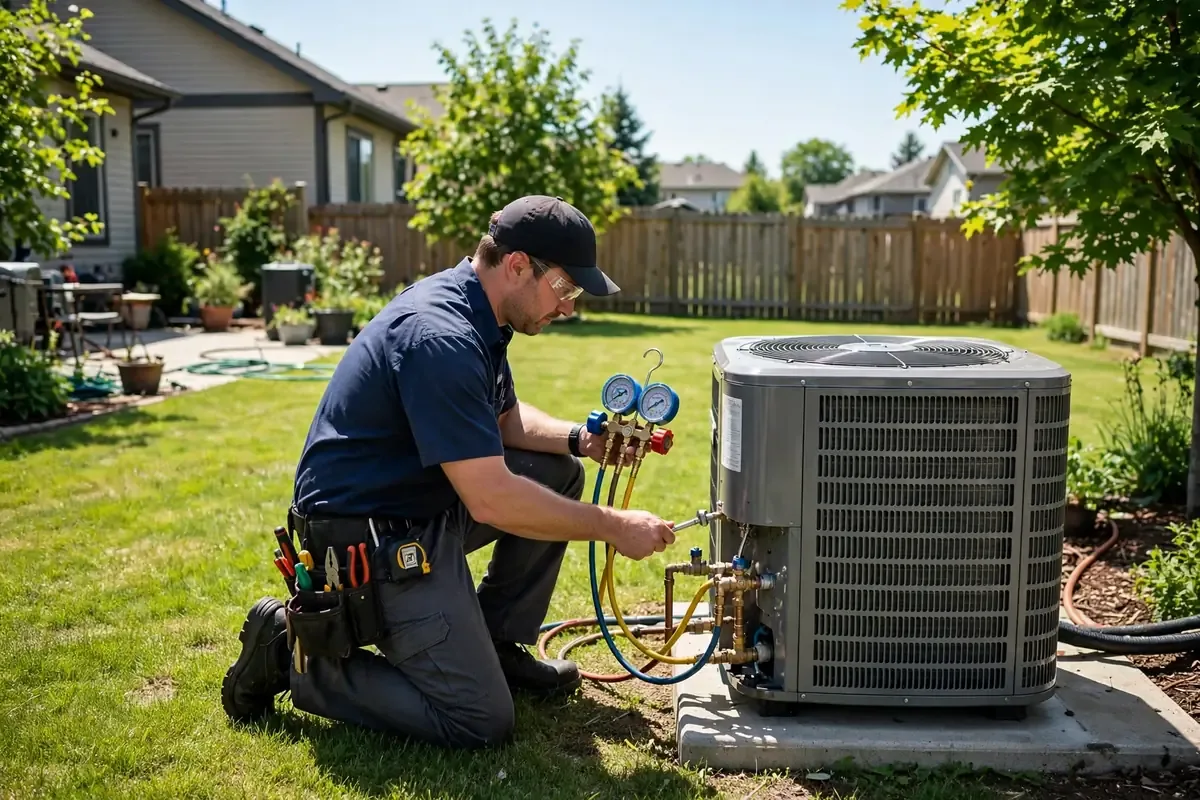
When we get a call about a heat pump acting up, the complaints fall into familiar buckets. The system blows air that feels cool, not hot, and the homeowner assumes it is broken. The outdoor unit steams on a January morning and someone panics. The thermostat shows AUX heat and the electric bill jumps. Most of these turn out to be normal heat pump behavior, and part of our job on every visit is explaining which is which. On a typical visit we check the reversing valve operation, verify the refrigerant charge with superheat and subcooling readings, test the defrost controls, and confirm the backup heat strips engage only when they should. A heat pump is a precision machine; small charge or airflow problems show up fast, and we know where to look.
Normal Behavior Versus a Real Problem
Let us clear up the two biggest misunderstandings. First, heat pump supply air feels milder than gas furnace air, usually in the 90s versus 120-plus. That is physics, not a malfunction, and it still warms your house just fine. Second, the steaming outdoor unit in winter is the defrost cycle melting frost off the coil, and it lasts a few minutes. What is not normal: backup heat running constantly in mild weather, the outdoor unit iced solid and never defrosting, or a house that keeps losing ground on a 40-degree day. Those are repair calls, and the sooner we see them, the cheaper they tend to be.