Indoor Air Quality in Mount Juliet, TN
Indoor Air Quality Services in Mount Juliet, TN
Dusty shelves a day after cleaning? Sticky air in July? Sneezing through spring? Here is the direct answer: in the City Between the Lakes, most indoor air complaints come down to three things: filtration that does not match the home, humidity your AC cannot handle alone, and ductwork leaking attic air into the supply stream. We find which one is yours and fix that, not everything on the truck.
Honest IAQ assessments · No gadget upsells · Serving all of 37122
The Air in Your Home, Explained Plainly
Mount Juliet sits between Old Hickory Lake and Percy Priest Lake, and that geography writes the indoor air story for the whole town. Summer humidity runs high, spring pollen loads are heavy under all those mature trees, and newer tight-built homes trap cooking odors and moisture that older drafty houses just leaked away. When we get a call about indoor air, the homeowner usually describes one of three lived experiences: dust that never quits, air that feels damp even with the AC running, or allergy symptoms that ease up the minute they leave the house.
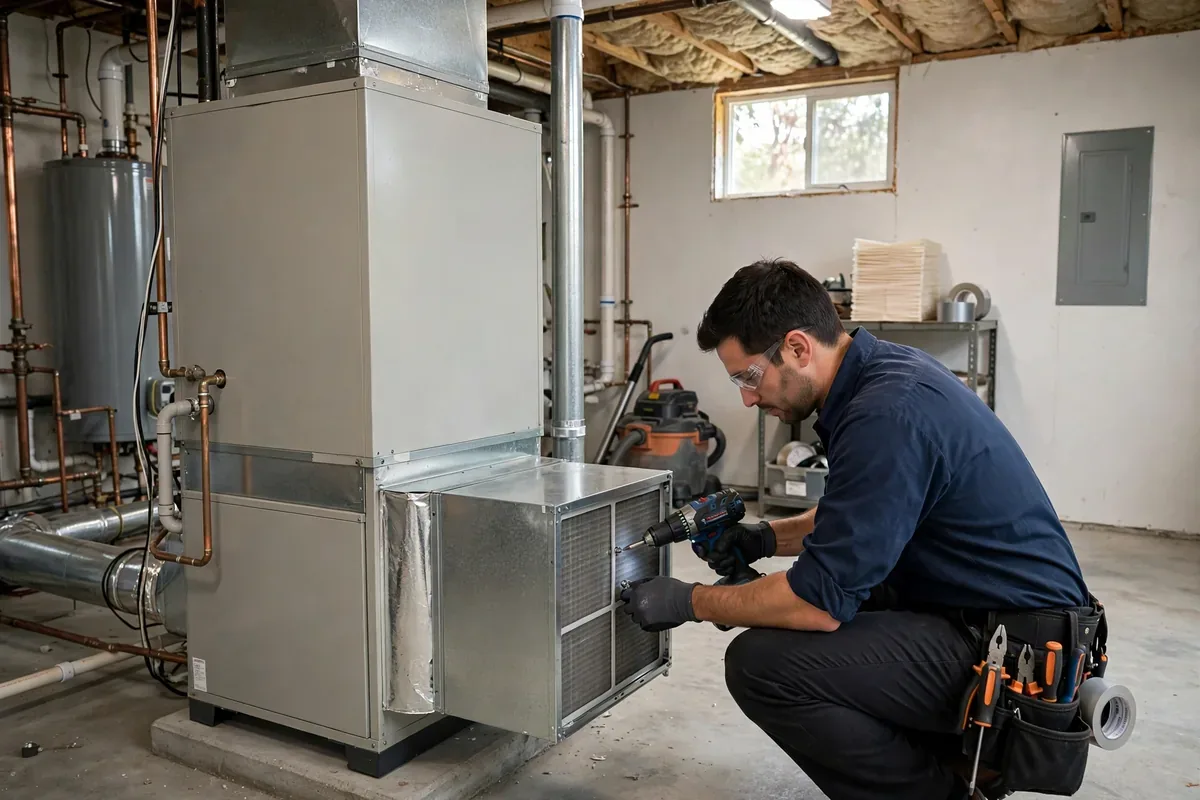
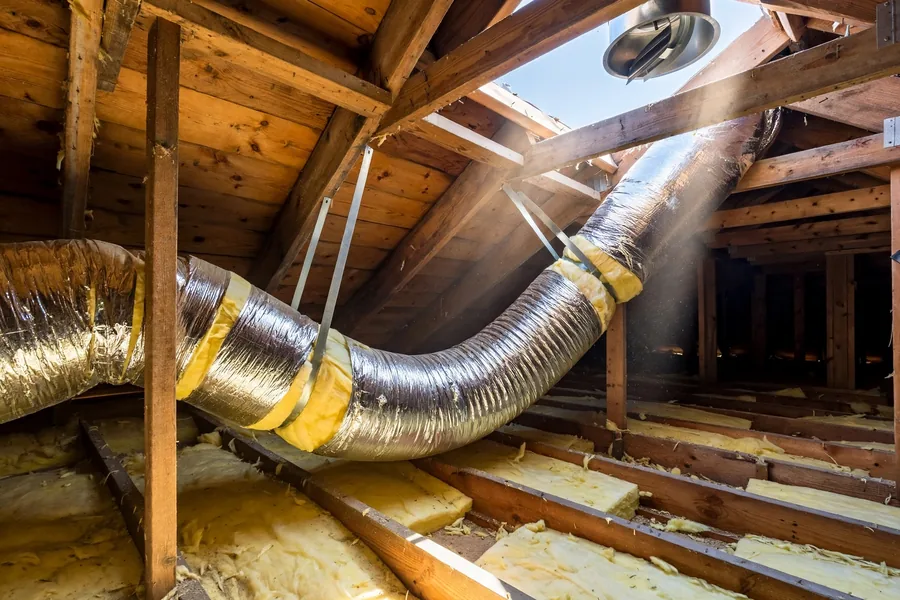
On a typical visit we start with questions, not equipment. When did it start? Which rooms are worst? Does the filter slot seal or does air whistle around it? Then we look: filter cabinet condition, evaporator coil cleanliness, duct connections in the attic, and humidity readings room by room. More than once we have traced a "mystery dust" problem to a return duct that had come loose in a hot attic, pulling unfiltered attic air into the system for years. The filter was fine. The ductwork was the whole story.
Filtration: the MERV Rating Conversation Worth Having
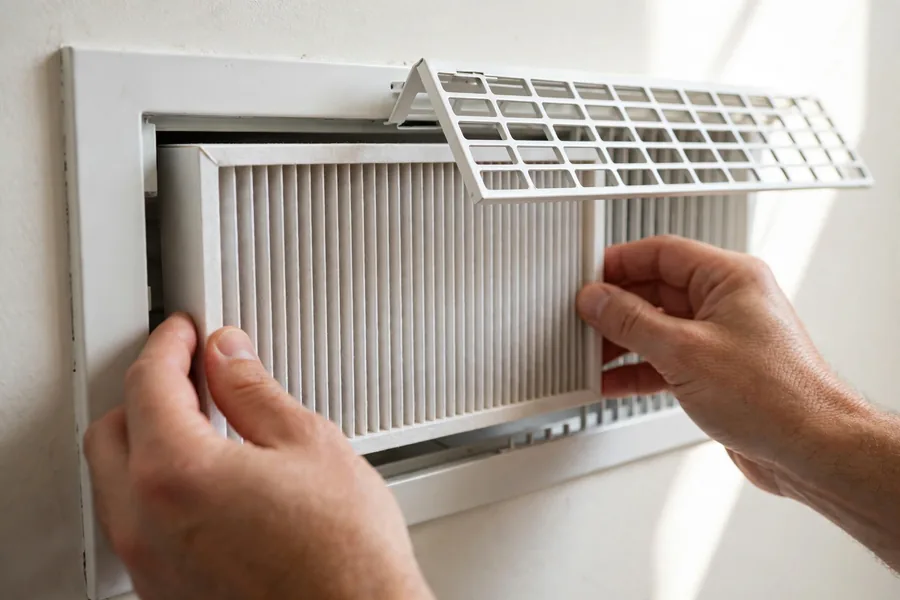
Filters get sold by the number on the box, but the number only matters in context. A MERV 8 catches the big stuff and breathes easy. MERV 11 adds pollen and pet dander capture for most households. MERV 13 grabs finer particles and genuinely helps allergy sufferers, but it also makes the blower work harder. Cram a MERV 13 into a thin 1-inch slot on an older system and you can starve airflow, freeze the evaporator coil, and create the exact humidity problems you were trying to solve.
That is why we check static pressure before recommending anything above MERV 11, and why a sealed filter cabinet often matters more than the filter inside it. A cabinet that lets air bypass the filter is just decoration. We would rather set you up with the right filter in a sealed cabinet than sell you the most expensive box on the shelf.
How We Improve Your Home's Air
Three levers, applied in the order your home actually needs them. Our full visit flow is on the our process page.
We find what is really in your air
Room-by-room humidity readings, a look at the coil and filter cabinet, and an attic inspection of the ductwork. We identify whether your problem is particles, moisture, or infiltration before recommending a single product.
We match filtration to your system
The right MERV rating for your blower and ductwork, installed in a cabinet that actually seals. If your system can support MERV 13, great. If it cannot, we tell you that too, instead of selling you restricted airflow.
We control humidity at the source
When the AC alone cannot keep up with Tennessee summers, a whole-home dehumidifier tied into your ductwork holds indoor humidity in the comfortable range without overcooling the house. Paired with proper ventilation, it is the end of the sticky-air problem.
One more honest note: your AC tune-up is part of your air quality plan. A clean evaporator coil and a clear condensate drain line do as much for humidity control as any add-on device. And if your thermostat is not managing humidity, our thermostat services can put dehumidification control back in your hands.
Why Neighbors Trust Us With Their Home's Air
Indoor air quality is the corner of HVAC where upselling runs wildest. Here is how we stay on the honest side of it.
Diagnosis before devices
We measure and inspect first. If a $30 filter change and a duct repair solve your problem, you will never hear us mention the $1,500 purifier.
Itemized, upfront pricing
Every IAQ recommendation comes with a written line-item price before work starts. You approve it, or we do not do it. No vague invoices, ever.
Second opinions welcome
Another company prescribed a whole-house system overhaul? Let us take an independent look. We regularly find simpler causes the first quote skipped over.
Options without pressure
Good, better, best: we lay out what each level actually buys you in cleaner air and let you choose. Our techs advise; they do not close.
Choosing Filtration: What Each Level Actually Does
Use this as a starting point. The right choice depends on your ductwork, your blower, and who is breathing the air.
| Filter level | What it catches | What to watch for |
|---|---|---|
| MERV 8 (standard) | Dust, lint, large pollen | Fine for most homes; change it on schedule and it does its job. |
| MERV 11 (better) | Adds fine pollen, pet dander, mold spores | Slight airflow increase in resistance; fine for most modern systems. |
| MERV 13 (best) | Adds fine smoke particles, bacteria carriers | Needs adequate return airflow; we verify with static pressure first. |
| HEPA bypass unit | Near-total particle capture on a side stream | Overkill for most homes; worth discussing for severe respiratory conditions. |
For authoritative background on indoor pollutants and what actually helps, the EPA's indoor air quality pages are the gold standard: epa.gov/indoor-air-quality-iaq. For the engineering side of ventilation and filtration, ASHRAE publishes the standards the industry builds to.
Indoor Air Quality Across Mount Juliet
Different neighborhoods, different air challenges:
Hickory Hills
Mature trees mean heavy spring pollen loads, and the established brick homes here often have original ductwork with tired seals. We do a lot of duct sealing and MERV 11 to 13 upgrades in this neighborhood, and homeowners notice the difference in both dust and sneezing within weeks.
Nichols Vale
Newer construction built tight, which is great for energy bills and tricky for air exchange. Cooking odors linger, bathroom moisture has nowhere to go, and the HVAC runs less, so it filters less. Controlled fresh-air ventilation plus humidity management is the right prescription for these 2019-and-newer homes.
Your Questions, Answered
Why does my house feel dusty no matter how often I clean?
Constant dust usually means your filtration is undermatched to your home, your filter is the wrong size or installed with gaps, or your ductwork is pulling dusty air from the attic or crawl space through leaks. We see all three in Mount Juliet. A filter cabinet that seals properly plus duct sealing on the return side often cuts visible dust dramatically. The fix starts with finding where the dust is entering, not just buying a fancier filter.
What MERV rating should I use in my Mount Juliet home?
For most homes, MERV 8 to 11 hits the sweet spot: good capture of dust, pollen, and pet dander without choking airflow. MERV 13 catches finer particles and helps allergy sufferers, but it also restricts airflow more, so it only works well when the return ductwork and blower can handle it. Slapping a MERV 13 into a 1-inch filter slot on an older system can starve airflow and freeze the coil. We check static pressure before recommending anything above MERV 11.
My house feels sticky in summer even with the AC running. Why?
Your AC removes humidity only while it runs, and it needs long run cycles to do it well. An oversized AC cools the air fast and shuts off before wringing out the moisture, leaving that clammy feeling. Other culprits include a dirty evaporator coil, low airflow, or leaky ducts pulling humid attic air into the system. A whole-home dehumidifier tied into your ductwork is the reliable fix when the AC alone cannot keep up with Middle Tennessee humidity.
Do I need an air purifier, or is a good filter enough?
For most households, a properly sealed filter cabinet with the right MERV filter handles the bulk of airborne particles. Dedicated air purifiers earn their keep in specific cases: severe allergies, asthma, a home with multiple pets, or a smoker in the house. We are honest about this because we would rather set you up with a basic filter upgrade that works than an expensive add-on that duplicates what your system already does.
How does ventilation fit into indoor air quality?
Filtration cleans the air you have; ventilation brings in fresh air to dilute what filtration cannot catch, like cooking odors, cleaning chemical fumes, and CO2 buildup. Newer, tighter homes in particular benefit from controlled fresh-air ventilation, since they do not leak enough to exchange air on their own. We size ventilation to the home and the equipment so you get fresh air without wrecking your humidity control.
Can my ductwork really affect my family's allergies?
Yes, and it is one of the most overlooked causes we find. Leaky return ducts in a hot attic or dusty crawl space pull unfiltered, humid air straight into your system and blow it through every register. We have opened attic ductwork that was basically a pollen delivery system. Sealing and insulating those ducts often improves allergy symptoms more than any filter upgrade alone.
What is safe for me to do myself for better indoor air?
Plenty: change your filter on schedule, vacuum supply registers, keep the area around your outdoor unit clear, and run bath fans during showers to control moisture. What belongs to a pro: anything involving the evaporator coil, refrigerant lines, electrical components, or ductwork inside walls and attics. Coil cleaning and duct sealing look simple on video but go wrong fast without the right tools and know-how.
Breathe Easier at Home.
Stop guessing about dust, humidity, and allergies. One visit gives you real answers and a plan that fits your home.
Mon–Fri 7AM–7PM · Sat 8AM–4PM · 24/7 emergency service